
Please submit your pledge by April 25, 2026!
Past Projects
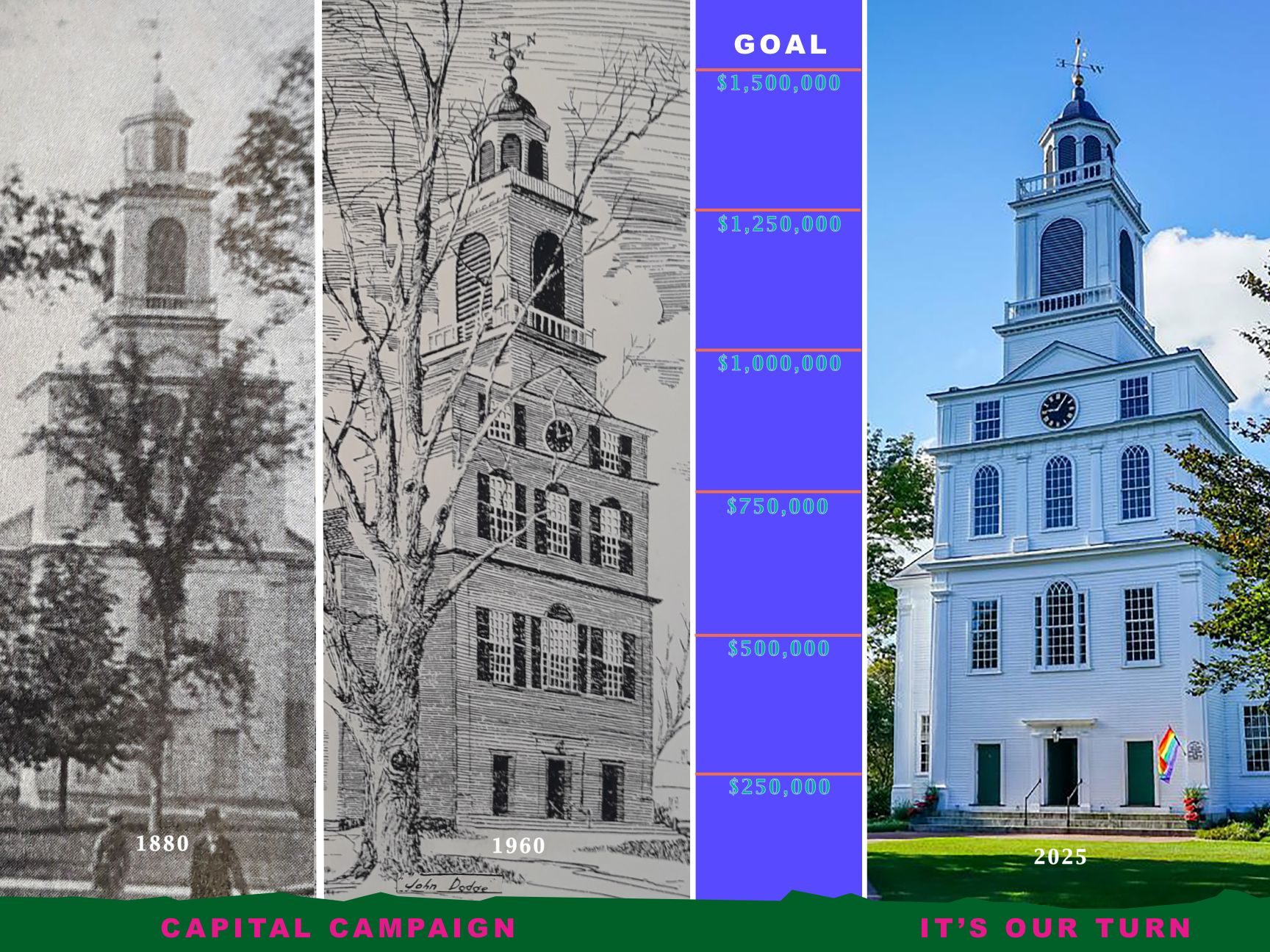
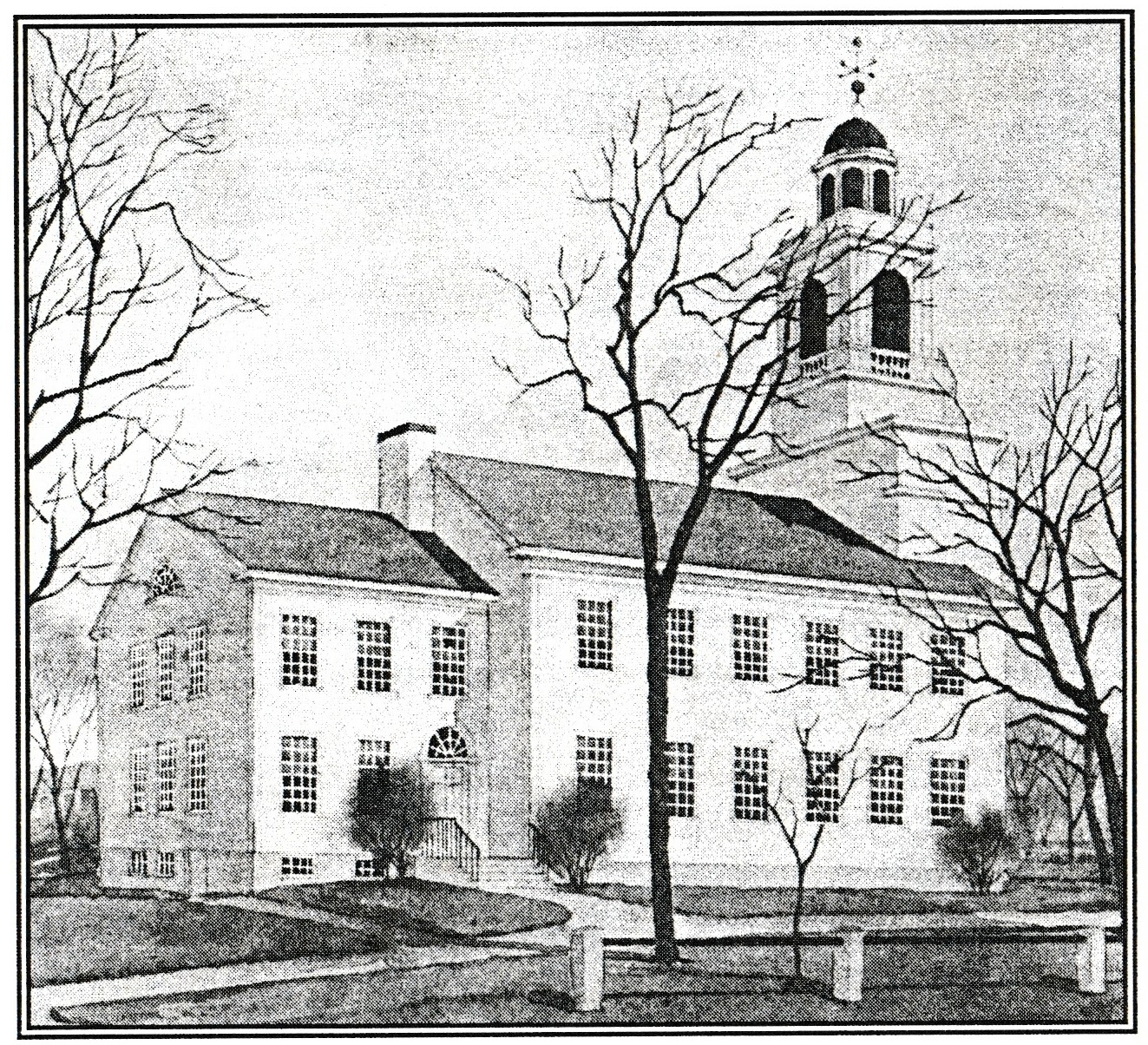
Every dozen years or so, First Parish undertakes a major effort to significantly improve its physical infrastructure. The First Parish in Bedford congregation has always stepped up to maintain our building, beginning in the earliest days of the town.
1700s–1800s
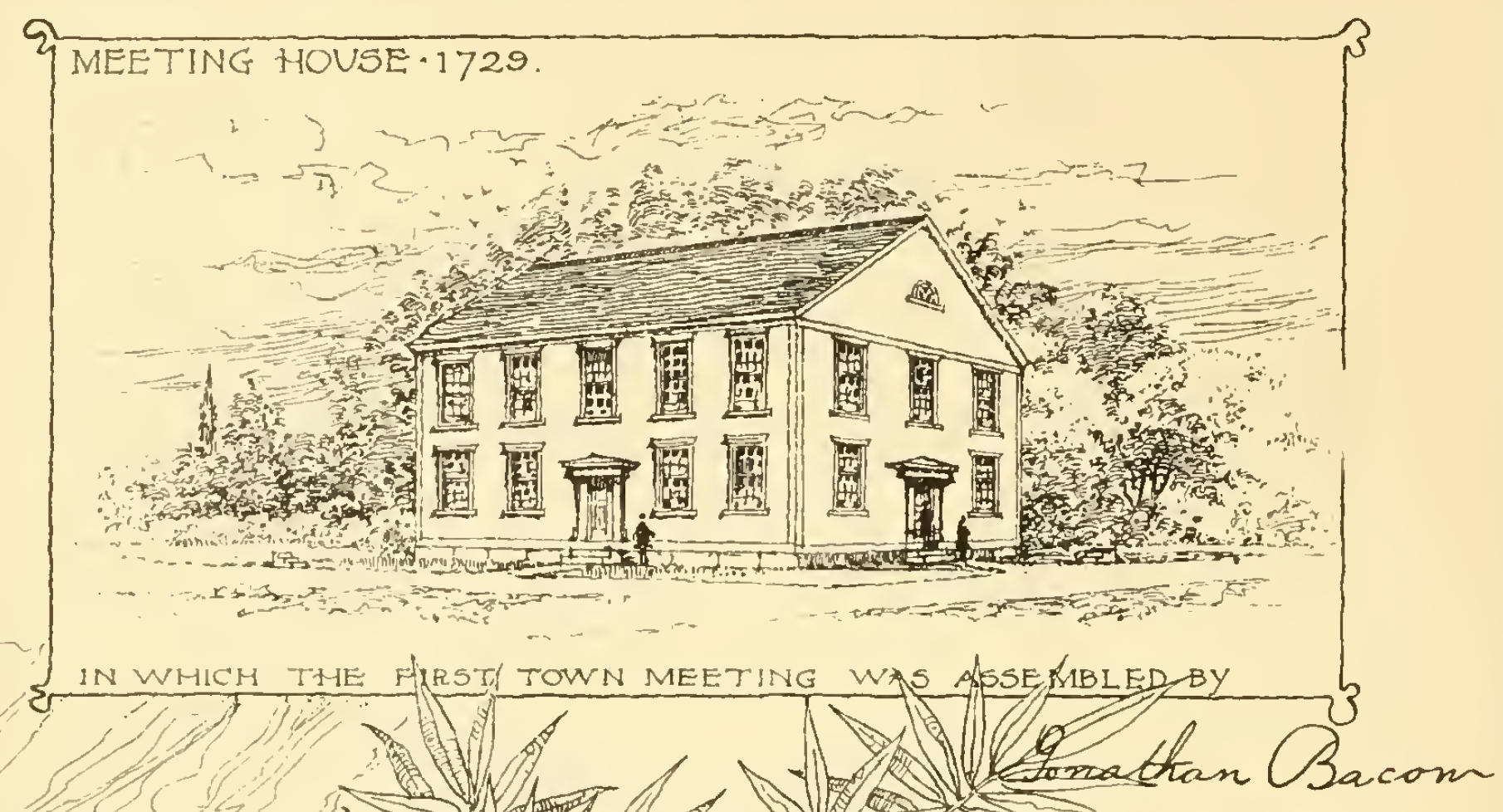
- In 1729, residents rallied to raise £560 (the equivalent of $187,047) to build the original meeting house, which was required to form the town of Bedford.
- In 1753, funds were raised to buy a bell, which was the bell rung on April 19, 1775, to alert the town that the British were coming.
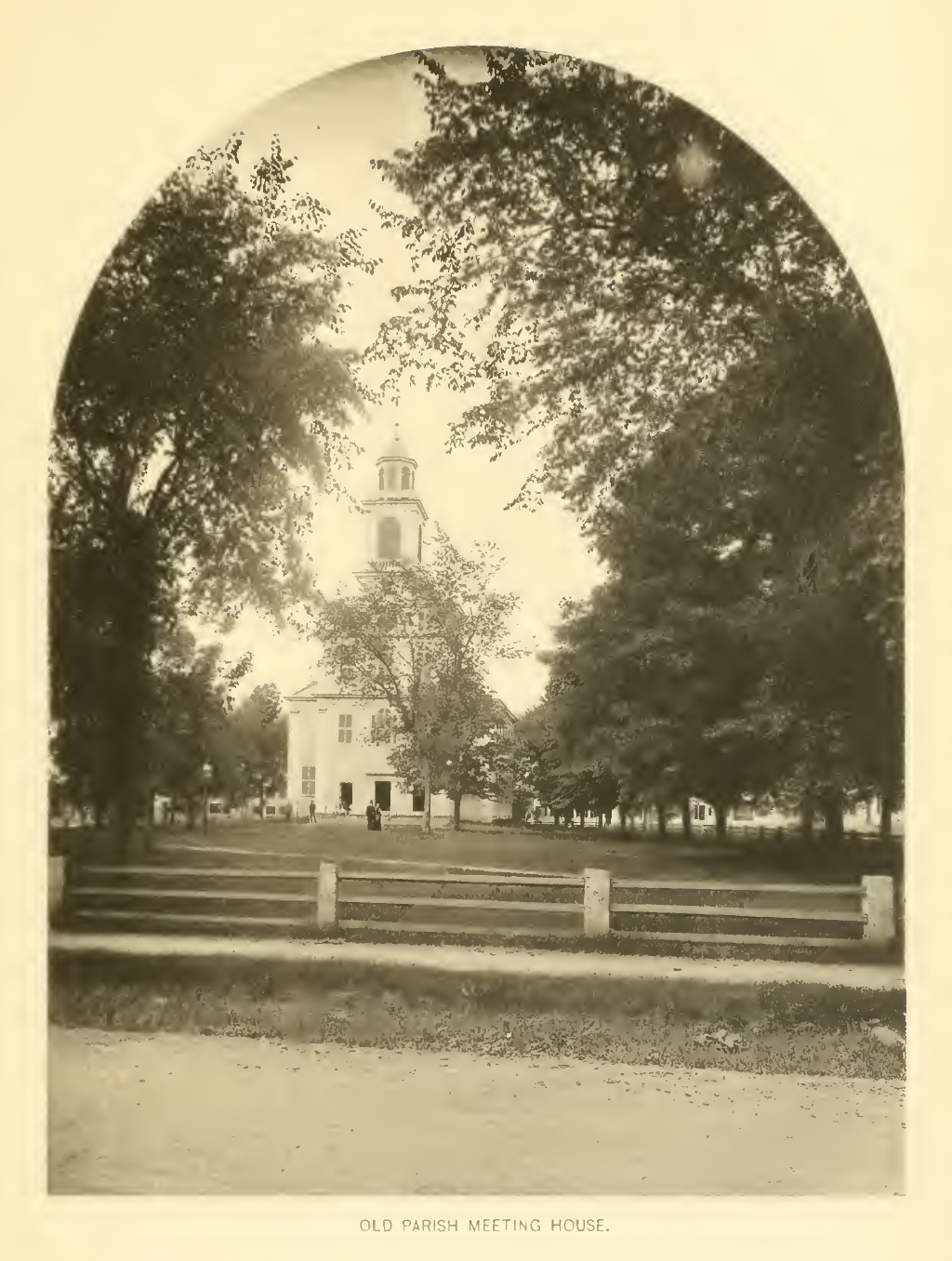
- When the first meeting house was badly damaged in the “Great Gale” of September 1815, parishioners purchased pews to pay for the new building, constructed in 1817.
- In 1849, the congregation financed a remodel that included installing a furnace, closing off the galleries to conserve heat, adding a ceiling in the sanctuary, replacing the box pews with bench pews, carpeting the aisles, and installing fencing around the Common to discourage horse traffic.
1900s–2010s
- In 1919, to qualify for a $1,500 grant from the American Unitarian Association, the congregation needed to match the grant — and not only matched it, but exceeded it.
- In 1960, a rear addition that included functional spaces, such as offices and classrooms, was completed.
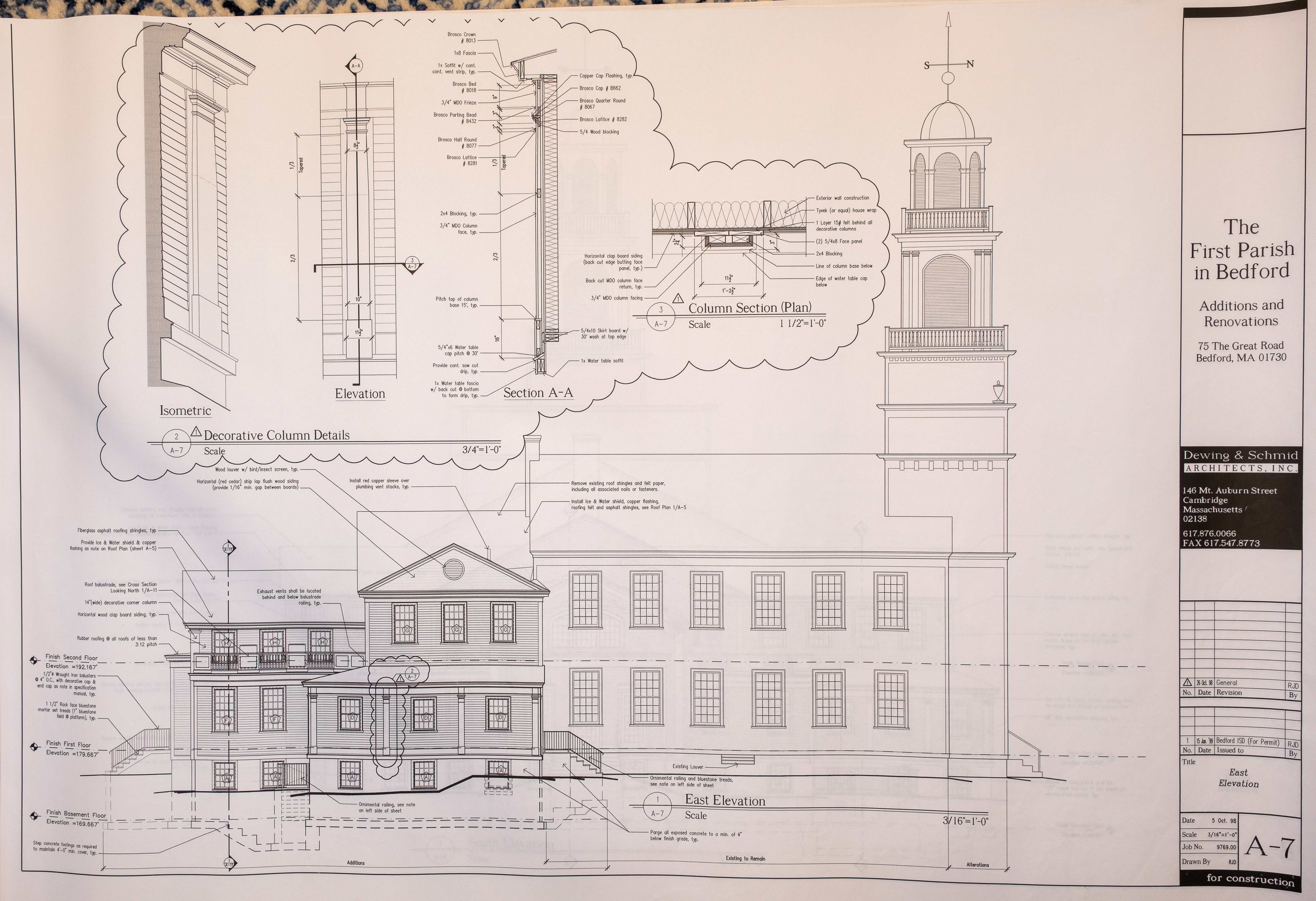
- A three-story rear addition that included the Common Room, kitchen, and classrooms — along with plumbing, heating, fire protection, and electrical improvements — was completed in 1999–2000.
- In 2010, the congregation installed a new elevator system as part of a “Bility” campaign to make the entire church building accessible for all.
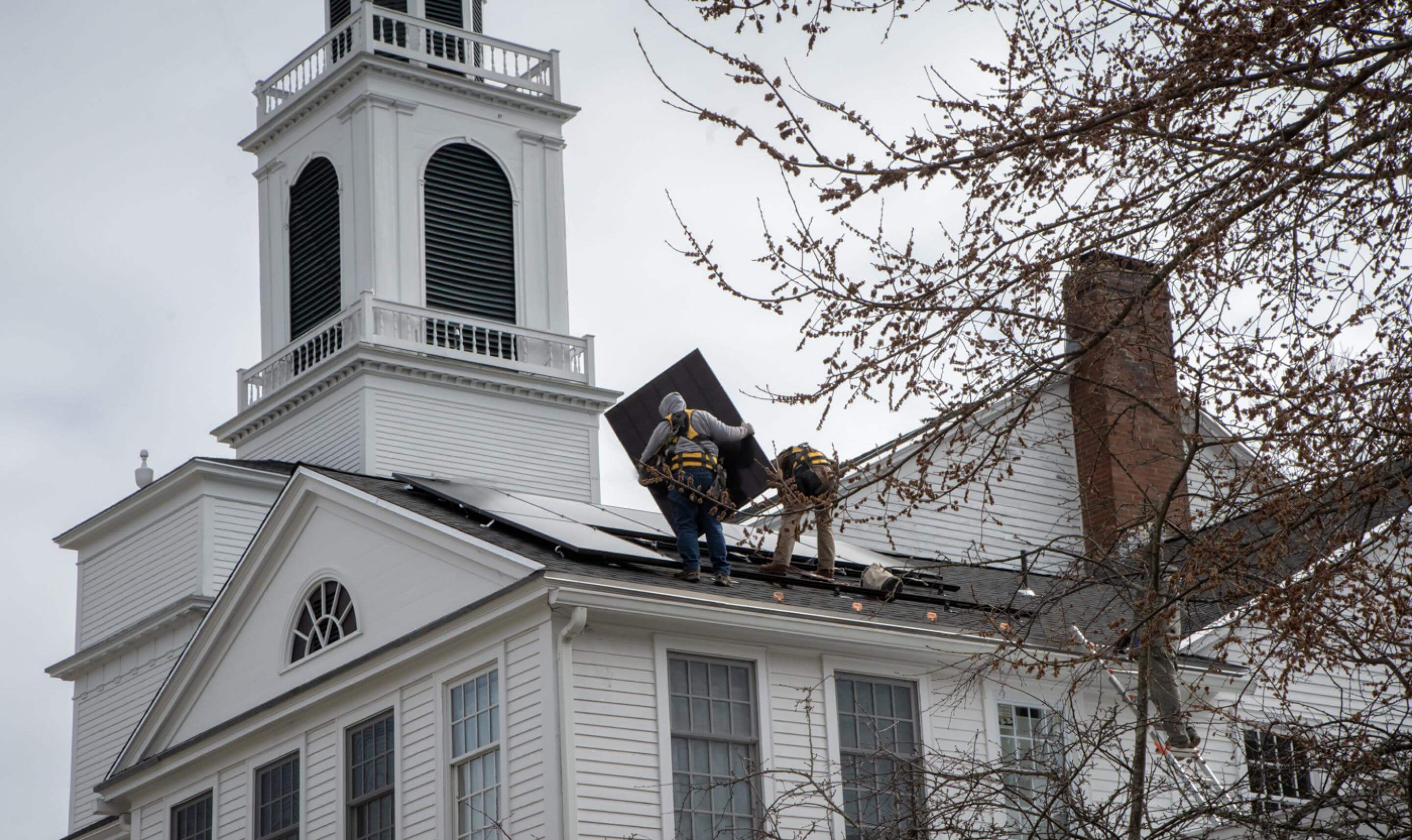
- In 2018, the congregation replaced the roof, installed a new HVAC system, added blown-in insulation, replaced storm windows, and installed solar panels to reduce its carbon footprint and bring the centuries-old building into the modern era of climate change mitigation.
2026 and Beyond
The next opportunity for our congregation to seriously consider how best to physically shepherd our church into the future is now.
It’s our turn.
It’s our turn to lead the fight for justice, to nurture our community, and to maintain our home to ensure future generations will have a place to find community and hope.